Can You Sue an Online Casino for Not Paying Out?

Yes — you can sue an online casino for not paying out, but success depends on clear facts, applicable law, and whether the operator can be reached and enforced against. For example, if you deposited $1,200, met all wagering and identity checks, and the casino still refuses to release the funds without a justified reason, you may have a breach-of-contract claim; however, if the operator is licensed in Curaçao and the terms require disputes to be decided there, pursuing the claim can be costly and slow.
Start by gathering documentation: save screenshots of your account balance, timestamps of the win, the game history showing the wager and result, copies of ID checks, and any emails or chat transcripts where support refused payment. For instance, a clear PDF with a game history showing a $5,000 slot win, plus the casino’s refusal email, makes a stronger record than a single verbal chat line.
Read the casino’s terms and conditions carefully for governing law, jurisdiction, and arbitration clauses; these commonly state that disputes must be resolved under the law of the licensing country or through mandatory arbitration. As an example, a site licensed in Malta might include a clause requiring Maltese law and courts, which means you may need to litigate (or arbitrate) there rather than locally.
Use the casino’s internal dispute process first: submit a formal complaint in writing, reference your evidence, and set a clear deadline (e.g., 14 days) for a response. If the casino is licensed, also file a complaint with the licensing regulator — many regulators (like the UK Gambling Commission or Malta Gaming Authority) operate dispute resolution or escalate to mediation; in one typical case, a player’s complaint to the regulator resulted in the operator releasing a withheld €8,500 after the regulator intervened.
If internal escalation and regulator complaints fail, consider small-claims court for modest amounts (limits vary by country — for example, small-claims thresholds might be around $5,000–$10,000 in many jurisdictions) or a civil breach-of-contract suit for larger sums. Keep in mind court costs, potential need for foreign litigation if the operator is overseas, and the risk of an unenforceable judgment if the company lacks recoverable assets.
Hire a lawyer when the payout is substantial or the facts are complex: a lawyer can send a formal demand letter, advise whether the contract terms are enforceable, and estimate enforcement prospects. For instance, lawyers experienced with gambling disputes often decline small cases under $1,000 but take on seven-figure disputes where they can freeze assets or obtain injunctive relief.
Consider alternative remedies: chargeback or payment-reversal through your payment provider (credit card or e-wallet) can work if the payment method supports disputes and the claim is timely; this succeeded in cases where a player recovered a $2,500 deposit after a successful chargeback. Also check whether the casino’s games and RNGs are audited by independent labs — proof of certified, audited systems strengthens your position if the operator claims technical errors caused the denial.
Weigh costs and likelihood before suing: legal fees, travel for foreign proceedings, translation and enforcement costs can exceed the amount at stake; many players choose mediation, regulator processes, or payment disputes for amounts under a few thousand dollars. For large wins or clear bad faith (for example, deliberate account closure after a big win), litigation and public pressure tend to be more effective.
Keep your communication professional and time-stamped, escalate methodically, and document every step — clear, chronological evidence (dates, amounts, screenshots, and copies of T&Cs) is the most important factor if you ultimately sue or file a regulator complaint. Would you like a checklist template you can use to assemble evidence and next steps tailored to your jurisdiction?
FAQ
Can I Play Casino Online in the USA? 2026 Legal States Guide
Yes, you can play casino online in the USA, but only if you live in or are visiting one of seven states that have legalized real-money online gambling as of June 2026. These states are New Jersey, Pennsylvania, Michigan, West Virginia, Connecticut, Delaware, and Rhode Island. For example, if you’re in New Jersey and 21 or older, you can sign up for apps like DraftKings Casino, BetMGM, or FanDuel Casino and play slots, poker, roulette, and blackjack with real money.
How to Get Your Money Back from an Online Casino
Getting your money back from an online casino usually starts with checking the casino’s rules, saving every receipt, and contacting support right away. For example, if you deposited $100 by card and the withdrawal is delayed, keep the deposit proof, the withdrawal request time, and every chat message so you can show exactly what happened. If the casino asks for identity checks, send the documents quickly and make sure they match your account details.
7 Dead-Simple Ways to Spot Legit Casino Sites (No More Scams!)
How to Check if a Casino Site is Legit Checking if an online casino is real helps keep your money and info safe from scams. Legit sites show clear proof like licenses from trusted places, while fake ones hide details or promise too-good-to-be-true deals. Here’s a simple guide with steps and examples to spot the good ones. Start with the License Every legit casino must have a gambling license from a top authority—look for it at the bottom of the homepage.
Can You Get Money Back From an Online Casino?
Yes, but only in specific cases. If you were charged twice, paid for a service that the casino never provided, or saw an unauthorized card charge of, for example, $50 or $100, you may have a real chance to recover the money. If you simply lost money while playing slots, roulette, or blackjack, that loss is usually not refundable because it was part of normal gambling. You should first gather proof, such as bank statements, deposit receipts, screenshots of your account balance, and copies of any chat messages or emails with support.
スマスロバイオヴィレッジ突破率63%!7G継続の衝撃事実
スマスロバイオハザード ヴィレッジのクライマックスバトル突破期待度は約63%です。これは100回挑戦したら約63回は突破できるという意味で、他
バイオハザードパチスロやめどき最強ルール公開!勝率爆上げ
パチスロバイオハザードのやめどき完全ガイド パチスロバイオハザードシリーズは、怖いゾンビの世界が楽しい人気機種です。各機種のやめどきをしっかり
What Support Does in Games
Support in games is the role that helps a team stay alive, stay organized, and win fights, often by healing, protecting, or controlling enemies. For example, in a team battle, a support player may heal a low-health teammate, place a shield in front of danger, or slow an enemy so the team can escape or attack safely. A support player usually focuses on team value instead of personal damage. In many games, this means giving buffs, using crowd control like stuns or slows, and watching the map for danger, such as an enemy hiding nearby or a fight starting on the other side of the field.
Can I Use a VPN to Gamble in the US? The Truth Will Shock You
Can I Use a VPN to Gamble in the US? The short answer is that while you technically can try using a VPN to gamble online in the US, you absolutely should not do it. Using a VPN to bypass gambling restrictions violates the terms of service of almost every online gambling site, which means you risk having your account permanently banned and losing all your deposited money and winnings. In 2025, major gambling operators detected and blocked over 2.
What is the future of the game of roulette?
What is the future of the game of roulette? One potential future for roulette is the integration of virtual and augmented reality technologies. This would allow players to immerse themselves in a virtual casino environment and enjoy a more realistic and engaging gaming experience. Another potential future for roulette is the continued growth of online gaming. As more and more people turn to the internet for their gaming needs, online casinos are likely to become even more popular.
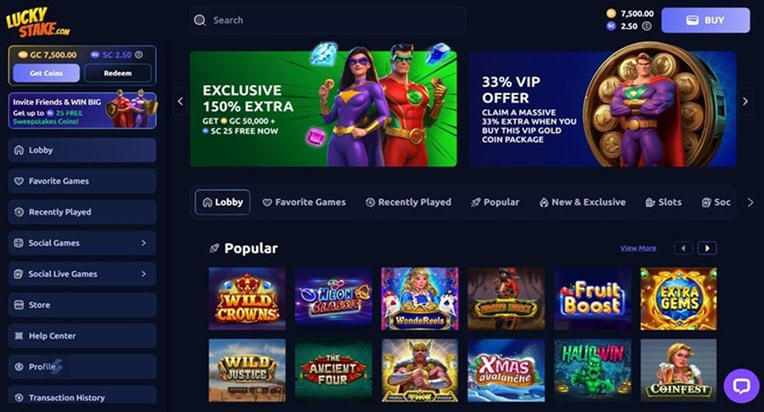
LuckyStake Casino – Login, Games & Player Guide
This site only collects related articles. Viewing the original, please copy and open the following link:Can You Sue an Online Casino for Not Paying Out?